
since 2010
What Can We Offer
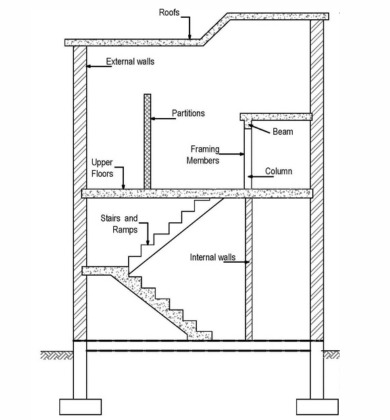
What is Structural Drawing?
Structural drawings are detailed technical diagrams prepared by structural engineers that illustrate the design and specifications of a building’s framework. These drawings provide precise instructions for constructing the load-bearing components of a structure, such as beams, columns, slabs, foundations, and reinforcements, ensuring the building’s strength, stability, and safety.
Structural drawings translate architectural concepts into practical frameworks, enabling contractors and builders to execute construction according to sound engineering principles and local building codes.
Types of Structural Drawings and Their Descriptions
1. Foundation Drawings
These drawings show the design and details of the foundation system used for a structure. They include information on footing types (isolated, combined, raft, pile foundations), sizes, reinforcement details, and depth below ground level. Foundation drawings ensure the building’s loads are safely transferred to the soil.
2. Column Drawings
Column drawings illustrate the layout, dimensions, and reinforcement of columns that support vertical loads. They provide cross-sections, elevation views, and rebar details required for casting columns accurately.
3. Beam Drawings
Beam drawings specify the size, span, and reinforcement of beams, which carry loads from slabs and walls to columns. These include longitudinal and transverse reinforcement details, beam-to-column connection information, and support conditions.
4. Slab Drawings
These show details of floor or roof slabs, including thickness, reinforcement layout (mesh or bars), type of slab (one-way, two-way, flat slab), and any openings or cutouts. Slab drawings are essential for ensuring load distribution and structural integrity.
5. Reinforcement Details (Rebar Drawings)
These are detailed drawings specifying the size, shape, length, and placement of steel reinforcement bars within concrete members. They often include bar bending schedules (BBS) that guide fabricators on cutting and bending steel to exact specifications.
6. Cross-Sectional Drawings
Cross-sections provide vertical slices through structural elements, showing the relationship between beams, columns, slabs, and foundations. They clarify internal reinforcement, material layering, and construction joints.
7. Elevation Drawings
Elevations show the external vertical view of structural elements such as walls or frames, often indicating heights, levels, and alignment of beams, columns, and slabs.
8. Detail Drawings
Detail drawings zoom in on complex or critical junctions within the structure, such as beam-column joints, staircase details, retaining walls, expansion joints, and connection plates. These drawings ensure clarity in construction where precision is vital.
9. Staircase Drawings
Specific drawings for staircases that include tread and riser dimensions, reinforcement, support details, landing sizes, and handrail placements. They ensure safe, code-compliant stair construction.
10. Retaining Wall Drawings
These show the design and reinforcement of retaining walls, which resist lateral soil pressure. The drawings include footing details, wall thickness, reinforcement, drainage provisions, and backfill information.
11. Roof Truss Drawings
For structures with truss-supported roofs, these drawings specify the geometry, member sizes, connections, and materials used for roof trusses, ensuring proper load transfer and stability.
12. Bar Bending Schedule (BBS)
While technically a document rather than a drawing, the BBS is integral to structural drawing packages. It lists every rebar required—diameter, length, quantity, shape—and helps streamline steel cutting and placement.
13. Structural Framing Plans
These are top-view plans showing the arrangement and sizes of beams, girders, columns, and slabs for each floor level. They help visualize the load path and coordination with architectural plans.
14. Shop Drawings
Produced by fabricators or contractors, shop drawings provide fabrication and installation details for structural elements like steel frameworks, precast concrete units, and reinforcement cages, ensuring onsite construction matches design intent.
Why These Structural Drawings Matter
Each type plays a crucial role in translating the engineer’s design into safe, stable, and durable structures. They ensure every part of the building framework is properly designed, reinforced, and coordinated to withstand loads and environmental conditions throughout the building’s life.
Structural Analysis and Design
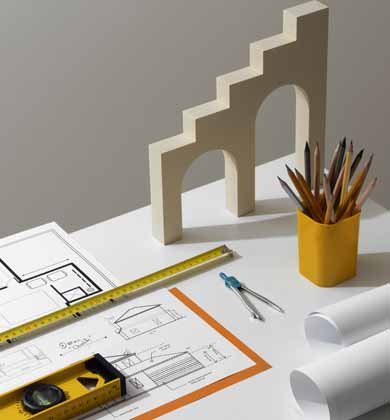
Structural analysis and design are critical processes that ensure the strength, stability, and safety of a building throughout its lifecycle. Our approach involves detailed evaluation of structural elements to withstand various loads and environmental conditions while complying with all relevant codes and standards. By combining technical expertise with advanced engineering tools, we deliver structures that are safe, durable, and cost-efficient.
We carefully assess dead loads, live loads, wind forces, seismic effects, and other external influences to ensure the structure performs reliably under all conditions. Each design is tailored to the specific project requirements, site conditions, and intended use of the building.
Key Features of Our Structural Analysis & Design Services:
Our structural analysis and design services provide a strong and reliable foundation for any project, ensuring safety, efficiency, and long-term performance. By focusing on precision, compliance, and innovation, we help transform architectural concepts into structurally sound and sustainable buildings.

Foundation Plans
Foundation plans define the design, dimensions, and placement of a building’s foundation, forming the base that safely supports the entire structure. A well-designed foundation is essential to ensure structural stability, prevent settlement, and protect the building from long-term damage. Our foundation plans are developed through careful analysis of structural loads, soil conditions, and environmental factors.
We design foundations that efficiently transfer loads from the superstructure to the ground, ensuring safety, durability, and compliance with engineering standards. Each plan is customized to suit the specific requirements of the site and the type of building being constructed.
Key Features of Our Foundation Planning Services:
Our foundation plans provide a strong and reliable base for construction, minimizing future risks and ensuring long-term performance. By combining technical precision with site-specific analysis, we deliver foundation solutions that are safe, economical, and tailored to your project’s unique requirements.
Reinforcement Detailing
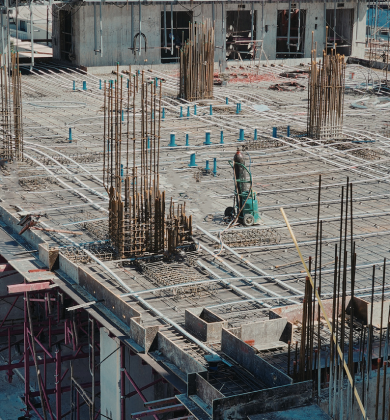
Reinforcement detailing is a crucial aspect of structural design that defines the size, spacing, placement, and anchorage of reinforcing steel (rebar) within concrete elements. Proper detailing ensures that concrete structures achieve the required strength, ductility, and durability to safely resist loads and environmental stresses throughout their lifespan.
Our reinforcement detailing is prepared with high precision to ensure seamless execution at the construction site while strictly adhering to engineering standards and best practices.
Key Features of Our Reinforcement Detailing Services:
Our reinforcement detailing services ensure that structural designs are translated accurately into construction-ready drawings. By focusing on precision, safety, and efficiency, we help deliver concrete structures that are strong, durable, and reliable throughout their service life.
Beam and Slab Layouts
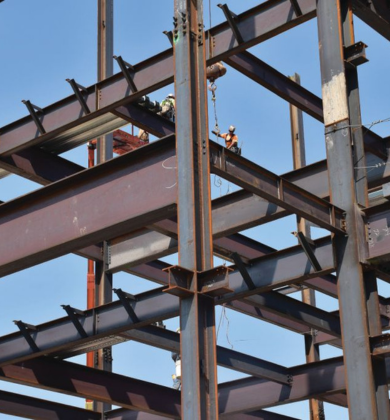
Beam and slab layouts define the structural framework of floors and roofs, showing the precise arrangement of beams and slabs within a building. These layouts play a vital role in ensuring proper load distribution, structural stability, and long-term performance of the structure. Well-designed beam and slab systems efficiently transfer loads from floors to columns and foundations.
Our layouts are developed with careful structural analysis to ensure safety, economy, and constructability. They provide clear guidance for construction while maintaining compliance with structural design standards.
Key Features of Our Beam & Slab Layout Services:
Our beam and slab layouts ensure that the floor system is strong, stable, and efficient, forming a reliable backbone for the entire structure. By combining precision engineering with practical design, we deliver layouts that support safe construction and lasting performance.
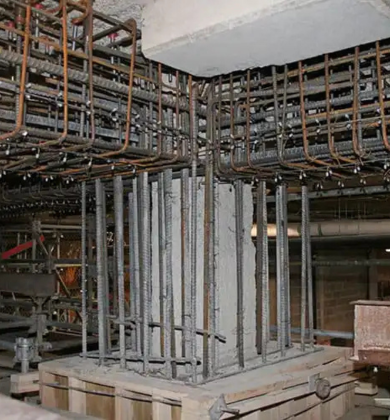
Structural Retrofitting Drawings
Structural retrofitting drawings are essential for strengthening, upgrading, and extending the service life of existing buildings. These drawings provide detailed solutions to improve the performance of structures that may have been affected by aging, wear, damage, or changes in usage requirements. Retrofitting ensures that older structures meet current safety standards without the need for complete demolition or reconstruction.
Our retrofitting drawings are developed after thorough structural assessment and analysis, focusing on improving strength, stability, and resilience. We incorporate modern engineering practices and advanced materials to enhance the overall performance of the structure.
Key Features of Our Structural Retrofitting Services:
Our structural retrofitting drawings help transform aging or underperforming structures into safe, resilient, and future-ready buildings. By combining technical expertise with modern solutions, we ensure improved safety, durability, and long-term value for existing structures.
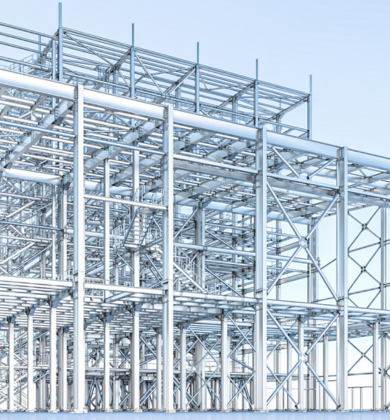
Steel Structures and Detailing
Steel structures and detailing play a vital role in the design, fabrication, and erection of steel buildings and structural components. Detailed steel drawings provide precise information required for manufacturing, assembly, and installation, ensuring accuracy, safety, and efficiency throughout the construction process.
Our steel detailing services translate structural designs into clear, fabrication-ready drawings, enabling seamless coordination between engineers, fabricators, and site teams.
Key Features of Our Steel Structure & Detailing Services:
Our steel structures and detailing services ensure that steel components are fabricated and assembled with precision and confidence. By focusing on accuracy, safety, and constructability, we help deliver strong, reliable, and long-lasting steel structures that meet modern engineering standards.
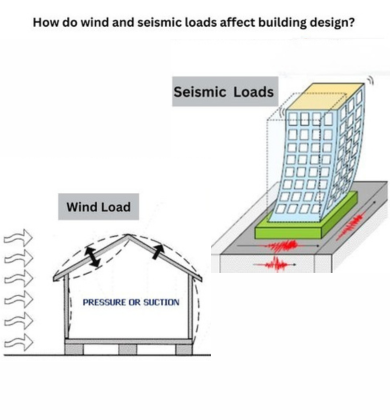
Seismic and Wind Load Design
Seismic and wind load design focuses on analyzing and calculating the forces exerted on structures by earthquakes and wind, ensuring that buildings can safely withstand these extreme environmental conditions. These designs are critical for protecting lives, minimizing structural damage, and maintaining the functionality of buildings during and after natural disasters.
Our approach combines location-specific data, advanced analysis methods, and modern design standards to deliver resilient and reliable structural solutions. Each design is tailored to the project’s geographical location, building height, usage, and structural system.
Key Features of Our Seismic & Wind Load Design Services:
Our seismic and wind load design services ensure that buildings are safe, code-compliant, and resilient against natural forces. By combining engineering expertise with advanced analysis techniques, we help create structures that provide long-term safety, stability, and peace of mind.

High-Rise Building Structures
High-rise building structures involve the design and engineering of tall, multi-storey buildings that must safely withstand heavy vertical loads, strong wind forces, and significant lateral movements. These structures require advanced planning, precise analysis, and specialized design approaches to ensure safety, comfort, and long-term performance for occupants.
Our high-rise structural design integrates strength, stability, and serviceability, ensuring that buildings perform efficiently under both everyday use and extreme environmental conditions. We carefully coordinate structural systems with architectural and mechanical requirements to deliver functional and resilient high-rise solutions.
Key Features of Our High-Rise Structural Design Services:
Our high-rise building structure services deliver safe, efficient, and future-ready vertical developments. By combining engineering expertise, advanced technology, and coordinated design, we create high-rise buildings that are resilient, comfortable, and compliant with modern construction standards.

Structural Stability Certification
Structural Stability Certification is an official assessment that confirms a building or structure is safe, stable, and fit for occupancy as per applicable structural and safety standards. This certification verifies that the structure can safely withstand imposed loads, environmental forces, and long-term usage without risk to occupants or surrounding properties.
Our certification services involve a thorough evaluation of structural components, including foundations, columns, beams, slabs, and load-bearing systems. The assessment is carried out by qualified structural engineers and is essential for new constructions, existing buildings, renovations, and regulatory approvals.
Key Features of Our Structural Stability Certification Services:
Structural Stability Certification plays a critical role in ensuring safety, legal compliance, and building longevity. By conducting accurate assessments and issuing reliable certifications, we help clients move forward with confidence, whether for construction approval, occupancy, or redevelopment.
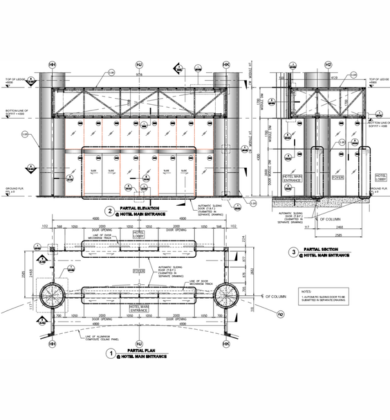
Shop Drawings
Shop drawings are detailed, fabrication-ready drawings that translate design concepts into precise instructions for the manufacturing and installation of structural components. These drawings serve as a critical bridge between the design team and the construction team, ensuring that every element is accurately built according to specifications.
Our shop drawing services cover steel, concrete, and other building materials, providing clear details for dimensions, connections, reinforcement, and assembly. This precision reduces on-site errors, minimizes delays, and ensures the quality and safety of the final structure.
Key Features of Our Shop Drawing Services:
Our shop drawing services ensure that every structural component is fabricated and installed accurately, bridging the gap between design and construction. By providing clear, detailed, and precise instructions, we help deliver safe, high-quality, and efficiently built structures.
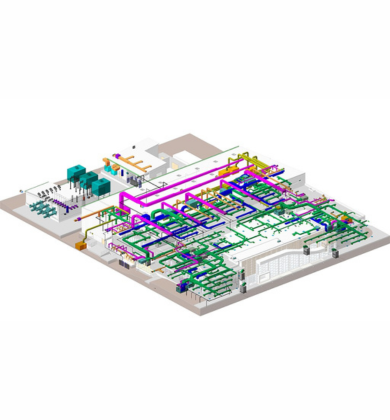
Integration with Architectural Plans
Integration with architectural plans is a crucial step in ensuring that structural designs and architectural visions are perfectly aligned. By coordinating closely with architects, engineers, and designers, we create a cohesive building design where structural elements support the architectural intent without compromising functionality, aesthetics, or safety.
This integration helps prevent conflicts during construction, optimizes space and material usage, and ensures the final building meets both technical and design requirements.
Key Features of Our Architectural Integration Services:
By integrating structural designs with architectural plans, we create buildings that are safe, functional, aesthetically pleasing, and constructible, ensuring a smooth transition from concept to reality.