Structural Stability

Premeasure Structural Stability

since 2010

What Can We Offer
Structural Stability Reports

Issuance of safety and stability certificates for existing buildings, retrofitting structures, and old constructions. Includes inspections and technical evaluation.

Non-Destructive Testing (NDT)

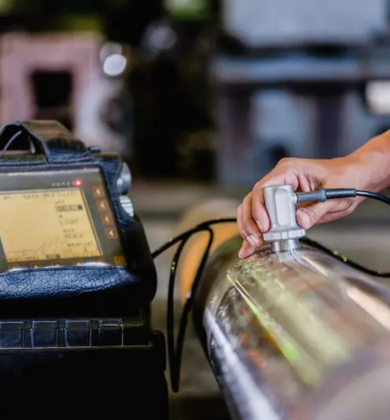
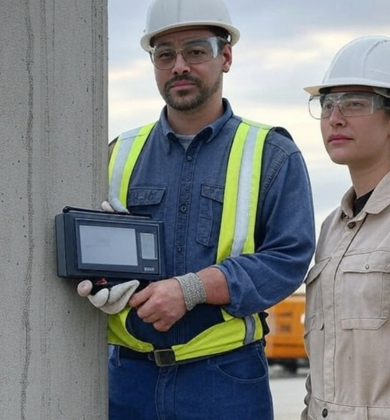
Non-Destructive Testing (NDT) is a critical evaluation process used to assess the material properties, quality, and structural integrity of components without causing any damage. NDT techniques allow engineers to detect internal defects, weaknesses, and discontinuities that may not be visible on the surface, ensuring safety and reliability of structures.


These methods are widely used for existing buildings, bridges, industrial structures, and critical infrastructure to verify performance, assess aging, and support repair or retrofitting decisions.


Key Features of Our Non-Destructive Testing Services:
Damage-Free Evaluation:Assess internal condition and material strength without altering or damaging the structure.
Detection of Hidden Defects:Identify cracks, voids, corrosion, honeycombing, and material inconsistencies.
Advanced Testing Techniques:Use ultrasonic testing, rebound hammer testing, radiographic testing, magnetic particle testing, and other approved methods.
Structural Safety Assessment:Evaluate the load-carrying capacity and overall health of structural elements.
Support for Retrofitting & Repairs:Provide reliable data for strengthening, rehabilitation, and retrofitting decisions.
Quality Control & Assurance:Verify workmanship quality and material performance in new and existing structures.

Foundation Stability Analysis

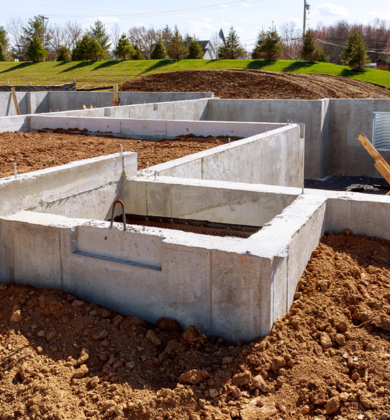
Foundation stability analysis is a critical engineering process used to evaluate the ability of a foundation to safely withstand structural loads and environmental stresses over its service life. This analysis ensures that the foundation performs reliably without excessive settlement, tilting, or failure, even under varying load and soil conditions.

By examining soil properties, foundation type, material strength, and load distribution, foundation stability analysis provides essential insights for both new constructions and existing structures.

  • Ensures foundation can safely support structural loads and prevent settlement.
  • Examines soil conditions, foundation material, and design adequacy.
  • Vital for ensuring long-term structural safety and avoiding foundation failure.

Key Features of Our Foundation Stability Analysis Services:
Load-Bearing Capacity Assessment:Verify that the foundation can safely support vertical, lateral, and dynamic structural loads.
Settlement & Differential Settlement Analysis:Evaluate potential ground movement to prevent uneven settlement and structural distress.
Soil Condition Evaluation:Analyze soil bearing capacity, strata behavior, and groundwater conditions.
Foundation Type Review:Assess suitability of footing, raft, pile, or combined foundations based on site conditions.
Design Adequacy Verification:Ensure foundation design meets safety standards and engineering codes.
Environmental Stress Consideration:Account for seismic forces, water table variations, and soil expansion or shrinkage.
Support for Retrofitting & Strengthening:Provide recommendations for foundation improvement if deficiencies are identified.

Foundation stability analysis is essential for protecting the integrity of the entire structure, ensuring safe load transfer to the ground and preventing long-term foundation-related issues.

Structural Audit and Certification

Structural audit and certification involve a detailed inspection, evaluation, and analysis of a building’s structural integrity to determine its safety, stability, and compliance with applicable codes and standards. This process is essential for assessing both new and existing structures, especially aging buildings or those undergoing change in usage.

A structural audit helps identify hidden defects, material deterioration, or design inadequacies, while certification confirms that the structure is safe for occupancy and continued use.

  • Identifies structural issues and ensures compliance with safety regulations.
  • Helps in determining the need for repairs, retrofitting, or upgrades.
  • Critical for obtaining building safety certifications and insurance approvals.

Key Features of Our Structural Audit & Certification Services:
Comprehensive Structural Inspection:Detailed examination of columns, beams, slabs, foundations, and load-bearing elements.
Identification of Structural Deficiencies:Detect cracks, corrosion, settlement, material degradation, and distress signs.
Code & Safety Compliance Verification:Ensure adherence to relevant IS codes, safety norms, and local regulations.
Assessment for Repairs & Retrofitting:Determine the need for strengthening, rehabilitation, or structural upgrades.
Support for Aging & Existing Buildings:Ideal for old structures, high-rise buildings, and change-of-use scenarios.
Non-Destructive Testing Integration:Use NDT methods where required for accurate evaluation without damage.

Structural audit and certification provide confidence, compliance, and safety assurance, helping owners, developers, and authorities make informed decisions while ensuring the building remains safe and structurally sound.
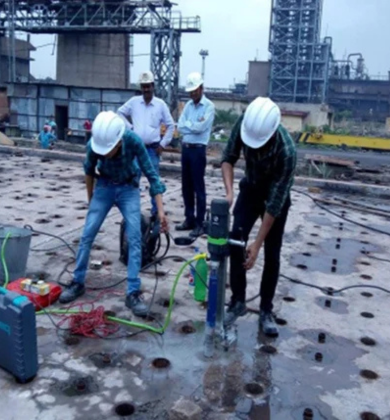
Steel Testing

Steel testing evaluates the strength, ductility, and composition of steel used in construction to ensure safety and compliance.

Post-Construction Stability Testing

Post-construction stability testing ensures the building structure maintains its integrity and safety after the completion of construction.

  • Monitors the behavior of the structure after construction under actual load conditions.
  • Detects early signs of structural failure, settling, or deformation.
  • Provides peace of mind for building owners and occupants regarding safety.

Key Features of Our Post-Construction Stability Testing Services:
Performance Verification Under Actual Loads:Assess how the structure responds to real-world loads and occupancy conditions.
Early Detection of Structural Issues:Identify signs of settlement, deformation, cracking, or unusual movement.
Quality Assurance After Construction:Confirm that construction aligns with approved structural designs and specifications.
Monitoring of Structural Behavior:Track changes over time to ensure stability and durability.
Support for Occupancy & Handover:Provide confidence before building handover or occupancy certification.
Integration with Structural Audits & NDT:Combine testing data with audit reports for comprehensive evaluation.
Risk Reduction:Address potential problems early to prevent major failures or costly repairs.

Post-construction stability testing provides assurance that the completed structure is safe, stable, and ready for long-term use, protecting both investment and lives.
Damage Assessment and Rehabilitation

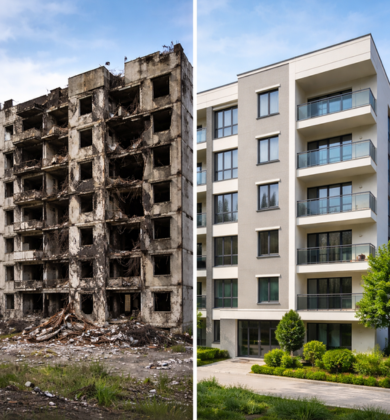
Damage assessment and rehabilitation focus on identifying and rectifying structural damage in buildings to restore safety and functionality.

Damage assessment and rehabilitation involve a systematic evaluation of a building or structure to identify structural damage and determine the appropriate corrective measures. This process ensures that compromised structures are safely restored, extending their lifespan and maintaining usability.

  • Evaluates the extent of damage to structural components.
  • Develops targeted rehabilitation strategies to restore structural integrity.
  • Ensures long-term safety and extends the lifespan of the structure.

Key Features of Our Damage Assessment & Rehabilitation Services:
Comprehensive Damage Evaluation:Inspect structural elements such as beams, columns, slabs, and foundations for cracks, corrosion, settlement, and other signs of distress.
Structural Integrity Analysis:Assess the load-bearing capacity and overall stability of affected components.
Targeted Rehabilitation Strategies:Recommend strengthening, retrofitting, or replacement methods to restore safety and performance.
Non-Destructive Testing Integration:Use NDT techniques to detect hidden defects without causing further damage.
Repair Design & Implementation:Provide detailed plans for repairs, including materials, techniques, and construction supervision.
Safety & Compliance Assurance:Ensure rehabilitation aligns with relevant IS codes, safety standards, and local regulations.
Prevention of Further Deterioration:Identify underlying causes of damage and implement solutions to prevent recurrence.

Damage assessment and rehabilitation provide a proactive and engineered approach to restoring structural safety, ensuring that buildings remain functional, durable, and compliant with safety standards.
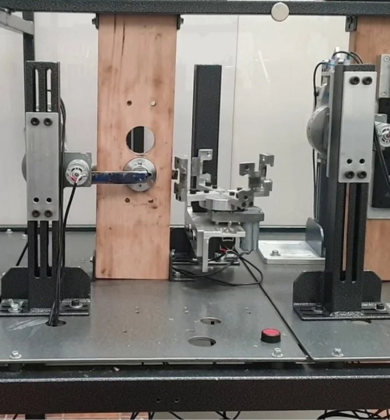
Durability Testing

Durability testing evaluates the resistance of construction materials and structural elements to environmental factors, wear, and tear.

Durability testing is a critical evaluation process used to assess the long-term performance and resilience of construction materials and structural elements under various environmental and operational conditions. This testing ensures that materials and structures can withstand aging, corrosion, weathering, and other stresses throughout their service life.

  • Tests materials for their ability to withstand aging, corrosion, and other environmental stresses.
  • Ensures structures maintain strength and functionality over time.
  • Helps in choosing the right materials for long-lasting constructions.

Key Features of Our Durability Testing Services:
Environmental Resistance Testing:Assess materials for exposure to heat, moisture, chemicals, freeze-thaw cycles, and UV radiation.
Corrosion & Wear Assessment:Evaluate susceptibility of metals, concrete, and composites to rust, deterioration, and abrasion.
Long-Term Structural Performance:Ensure beams, columns, slabs, and other elements maintain strength and functionality over time.
Material Selection Support:Guide selection of construction materials best suited for site-specific conditions and intended lifespan.
Quality Assurance for Construction:Verify that construction materials meet design specifications and industry standards.
Integration with Structural Analysis:Combine results with load and stability analysis for comprehensive structural evaluation.
Compliance with Standards:Testing performed according to relevant IS codes, ASTM, or international norms.

Durability testing ensures that structures and materials remain reliable, safe, and functional over their intended lifespan, supporting sustainable construction practices and minimizing future repair or replacement costs.
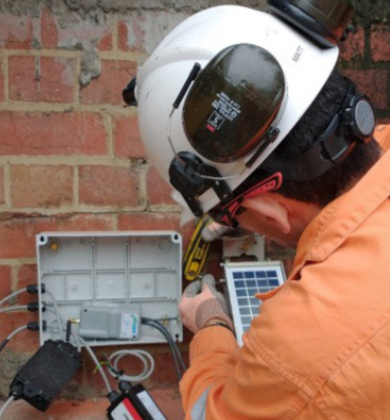
Structural Monitoring Systems

Structural monitoring systems use sensors and technology to continuously assess the performance and health of structures in real time.

Structural monitoring systems employ advanced sensors, instrumentation, and technology to continuously track the health and performance of buildings, bridges, and other infrastructure in real time. These systems provide precise data on structural behavior, allowing engineers to detect anomalies early and ensure safety, stability, and longevity.

  • Detects any potential structural issues immediately after they arise.
  • Monitors factors such as vibrations, strain, displacement, and temperature changes.
  • Provides early warning signs, preventing catastrophic failure.

Key Features of Our Structural Monitoring System Services:
Real-Time Structural Assessment:Continuous monitoring of critical structural elements to detect changes immediately.
Early Warning & Risk Mitigation:Identify potential issues such as cracks, settlement, or excessive vibrations before they become severe.
Monitoring Key Parameters:Track strain, deflection, tilt, displacement, vibrations, and environmental factors like temperature and humidity.
Support for Safety Compliance:Ensure structures meet safety regulations and standards through continuous oversight.
Integration with Data Analytics:Analyze long-term trends to predict maintenance needs and improve structural performance.
Retrofit & Rehabilitation Guidance:Provide data-driven recommendations for strengthening or repairing structures.
Bridge, High-Rise, & Industrial Applications:Suitable for infrastructure where safety and stability are critical.

Structural monitoring systems provide continuous assurance of structural safety, enhance durability, and protect both assets and occupants, making them indispensable for modern construction, high-rise buildings, bridges, and critical infrastructure projects.
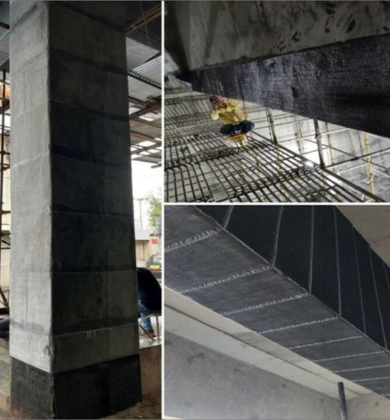
Retrofitting and Strengthening Solutions

Retrofitting and strengthening solutions enhance the structural capacity of existing buildings, enabling them to meet modern safety standards.

Retrofitting and strengthening solutions are specialized engineering interventions designed to enhance the structural capacity, safety, and performance of existing buildings. These solutions enable structures to meet current safety standards and withstand increased loads, environmental forces, and changing usage requirements.

  • Improves the seismic, wind, and load-bearing resistance of existing structures.
  • Ensures that buildings remain functional, even after damage from natural disasters.
  • Prolongs the lifespan of structures, reducing the need for complete reconstruction.

Key Features of Our Retrofitting & Strengthening Services:
Seismic & Wind Resistance Enhancement:Improve a structure’s ability to withstand earthquakes, cyclones, and high wind forces.
Load-Bearing Capacity Improvement:Strengthen columns, beams, slabs, and foundations to support increased or revised loads.
Damage Recovery Solutions:Restore and reinforce buildings affected by earthquakes, floods, fire, or structural distress.
Advanced Strengthening Techniques:Use methods such as jacketing, fiber-reinforced polymers (FRP), steel bracing, and post-tensioning.
Compliance with Modern Codes:Upgrade structures to meet current IS codes and safety standards.
Minimal Disruption Implementation:Design solutions that reduce downtime and disturbance to occupants.
Extension of Structural Lifespan:Significantly prolong the service life of existing buildings.

Retrofitting and strengthening solutions provide a sustainable and economical approach to preserving and upgrading existing structures, ensuring safety, durability, and continued usability without the need for complete reconstruction.
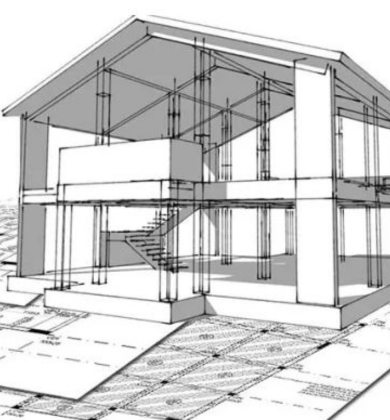
Load-Bearing Capacity Analysis

Load-bearing capacity analysis determines the maximum load a structure can support without compromising safety or performance.

Load-bearing capacity analysis is a critical structural evaluation used to determine the maximum load a structure or structural element can safely support without failure or excessive deformation. This analysis ensures that buildings and infrastructure perform safely under existing and proposed loading conditions.

  • Assesses the maximum loads based on material strength, design, and condition.
  • Ensures safety during usage, especially in high-load applications.
  • Helps prevent overloading and guides proper usage for longevity.

Key Features of Our Load-Bearing Capacity Analysis Services:
Maximum Load Assessment:Determine safe load limits for beams, slabs, columns, foundations, and complete structures.
Material Strength Evaluation:Analyze concrete, steel, masonry, and composite materials for actual performance.
Condition-Based Analysis:Account for aging, deterioration, damage, or previous modifications.
Safety & Performance Assurance:Ensure structural stability under normal, dynamic, and extreme load conditions.
Support for High-Load Applications:Ideal for industrial buildings, warehouses, machinery foundations, and high-rise structures.
Overloading Risk Prevention:Identify unsafe loading scenarios and recommend corrective measures.

Load-bearing capacity analysis ensures safe usage, structural reliability, and long-term performance, protecting both occupants and investments while guiding responsible structural management.
Structural Integrity Assessments

Structural integrity assessments evaluate the overall health and safety of a building's structure through detailed inspection and testing.

Structural integrity assessments are comprehensive evaluations carried out to determine the overall health, safety, and reliability of a building or structure. Through detailed inspections, testing, and engineering analysis, these assessments identify potential weaknesses and ensure that the structure can safely perform its intended function.

  • Identifies weaknesses, defects, and areas requiring repair or strengthening.
  • Utilizes various testing and inspection techniques to ensure the building's safety.
  • Vital for ensuring compliance with building codes and safety standards.

Key Features of Our Structural Integrity Assessment Services:
Comprehensive Structural Evaluation:Inspect critical elements such as foundations, columns, beams, slabs, and load-bearing walls.
Identification of Defects & Weaknesses:Detect cracks, corrosion, settlement, material degradation, and structural distress.
Advanced Testing Techniques:Utilize non-destructive testing (NDT), material testing, and visual inspections for accurate assessment.
Safety & Performance Verification:Ensure the structure can safely withstand design and operational loads.
Assessment for Repairs & Strengthening:Recommend corrective measures, retrofitting, or rehabilitation where required.
Post-Event Evaluation:Ideal for assessing structural condition after earthquakes, floods, fire, or impact damage.

Structural integrity assessments provide critical insight into a building’s safety and condition, ensuring timely intervention, regulatory compliance, and long-term structural reliability.

Advanced Testing for Special Concretes for Research Purpose

Advanced testing focuses on innovative concrete mixes for research, including high-performance, lightweight, and self-healing concretes.

  • Analyzes microstructure and performance under unique conditions.
  • Facilitates development of sustainable and high-strength materials.
  • Supports research for cutting-edge construction technologies.

Digital Surveying and Drone Mapping

Digital surveying and drone mapping use advanced technology to capture high-resolution images and precise measurements of large areas.
  • Delivers faster and more accurate survey results.
  • Ideal for hard-to-reach or large-scale areas.
  • Integrates seamlessly with GIS and CAD for analysis.

Why Choose Us?

Why Choose PreMeasure for Material Testing?

Advanced testing

Advanced testing facilities and skilled technicians.
01

Compliance

Compliance with IS standards and industry benchmarks.
02

Detailed and Accurate

• Detailed and accurate reports to guide construction decisions.
03