Academic Training

Premeasure Academic Training

since 2010

What Can We Offer

Software Training for Design and Analysis

This training covers software tools used for design and analysis, offering both theoretical and hands-on knowledge essential for modern engineering projects.

Software training for design and analysis is designed to equip students and professionals with the technical expertise required to handle modern engineering projects efficiently. This training program combines theoretical understanding with extensive hands-on practice using industry-standard software tools widely used in structural, civil, and design engineering.

  • Hands-on experience with industry-standard software for structural analysis and design.
  • Learn to perform simulations and analyses using advanced tools.
  • Develop a solid foundation for solving real-world design challenges using software.

Key Features of Our Software Training for Design and Analysis Programs:
Hands-On Training with Industry Software:Practical exposure to commonly used structural analysis and design tools.
Simulation & Analysis Skills:Learn to perform load analysis, stress analysis, and performance simulations.
Theory + Practical Approach:Strong conceptual foundation combined with real-time software application.
Real-World Design Challenges:Work on project-based examples that reflect industry scenarios.
Design Verification & Optimization:Learn to check designs for safety, efficiency, and code compliance.
Structural & Civil Engineering Focus:Suitable for buildings, infrastructure, and industrial projects.
Skill Development for Professionals & Students:Ideal for graduates, engineers, and design professionals.

Software training for design and analysis provides a strong technical foundation and practical skill set, empowering learners to confidently use advanced tools for efficient, accurate, and professional engineering design.
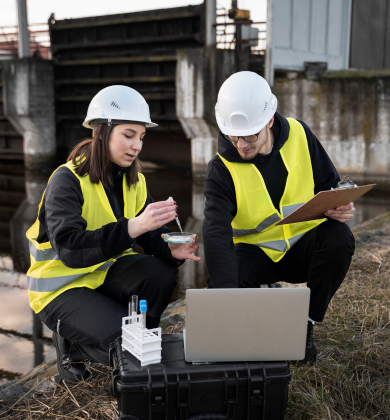
Geotechnical and Material Testing Training

Geotechnical and material testing training is designed to equip students and professionals with practical knowledge of soil investigation and construction material testing, ensuring reliability, safety, and quality in engineering projects. This training emphasizes both theoretical concepts and hands-on testing methods used in real-world construction and infrastructure development.

  • Perform soil tests and material analysis to ensure construction reliability.
  • Understand testing methods for determining soil strength and other properties.
  • Apply material testing techniques for quality assurance in construction.

Key Features of Our Geotechnical and Material Testing Training Programs:
Soil Testing & Analysis:Learn to perform field and laboratory tests to determine soil strength, bearing capacity, and settlement characteristics.
Understanding Soil Properties:Study soil classification, shear strength, compaction, permeability, and consolidation behavior.
Material Testing Techniques:Conduct tests on concrete, steel, aggregates, bricks, and other construction materials.
Quality Assurance in Construction:Apply testing results to ensure materials meet required specifications and standards.
Hands-On Practical Training:Gain real-time experience with testing equipment and laboratory procedures.
Field Investigation Methods:Learn site investigation techniques including boreholes, sampling, and in-situ testing.
Compliance with Standards:Training aligned with relevant IS codes and quality control guidelines.

Geotechnical and material testing training provides a strong foundation in construction quality and soil engineering, enabling learners to contribute effectively to safe, durable, and standards-compliant engineering projects.
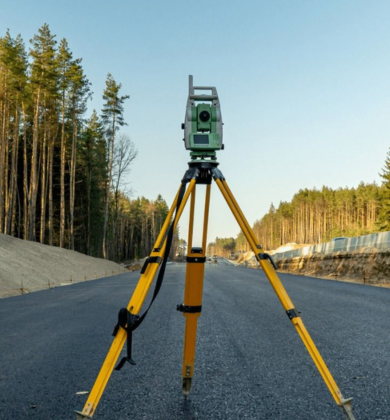
Land Surveying and GIS Training

This training offers insights into land surveying and Geographic Information Systems (GIS) for accurate data collection and mapping.

  • Learn land surveying techniques for accurate site measurements.
  • Understand how to use GIS for spatial analysis and mapping.
  • Gain practical experience in using GPS and GIS software for land surveying.

Key Features of Our Land Surveying & GIS Training Programs:
Fundamentals of Land Surveying:Learn traditional and modern surveying methods for precise site measurements.
Practical GPS Surveying:Hands-on training in GPS data collection and coordinate systems.
GIS for Spatial Analysis:Understand how to analyze, manage, and visualize spatial data using GIS tools.
Mapping & Data Interpretation:Create accurate maps, layouts, and reports for planning and development.
Integration of Survey Data & GIS:Combine field survey data with GIS software for advanced analysis.
Hands-On Software Training:Practical exposure to commonly used GIS and surveying software.

Land surveying and GIS training provide essential technical skills for modern surveying and spatial analysis, empowering learners to confidently handle land measurement, mapping, and data-driven planning tasks.
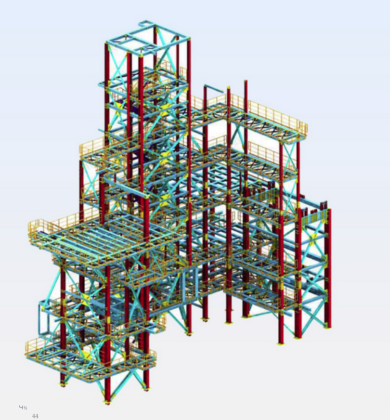
Structural Detailing and Drafting

Learn the art of structural detailing and drafting, focusing on creating accurate and comprehensive construction plans for projects.

Structural detailing and drafting training focuses on creating precise, clear, and comprehensive construction drawings that translate engineering designs into buildable instructions. This skill is essential for ensuring structural safety, accuracy, and smooth coordination between design and construction teams.

  • Master the process of preparing detailed drawings and blueprints for construction.
  • Understand material specifications and structural requirements for safe designs.
  • Develop a keen eye for precision and accuracy in detailing construction elements.

Key Features of Our Structural Detailing & Drafting Training Programs:
Detailed Construction Drawings:Learn to prepare accurate drawings and blueprints for beams, columns, slabs, foundations, and connections.
Material Specifications & Standards:Understand material grades, reinforcement detailing, and structural requirements for safe designs.
Reinforcement & Connection Detailing:Master bar bending schedules, anchorage details, and connection layouts.
Code Compliance & Best Practices:Apply relevant IS codes and drafting standards in all drawings.
Precision & Accuracy Development:Build a keen eye for detail to minimize errors and rework during construction.
Coordination with Design Teams:Learn to interpret structural designs and coordinate with architectural drawings.
Hands-On Drafting Practice:Gain practical experience using CAD tools for real-world projects.

Structural detailing and drafting training provides strong technical foundations and practical skills, enabling learners to produce accurate, safe, and construction-ready drawings that meet industry and regulatory standards.

Project Management and Cost Estimation

Focus on project management techniques and cost estimation strategies to ensure the successful delivery of construction projects on time and within budget.

Project management and cost estimation training equips participants with practical skills to plan, execute, and control construction projects efficiently, ensuring timely delivery and optimal use of resources. The program combines theoretical knowledge, practical strategies, and software-based applications to develop well-rounded professionals capable of handling modern construction challenges.

  • Learn project planning, scheduling, and resource management.
  • Develop skills to create accurate cost estimates for construction projects.
  • Master the use of software tools for project management and cost control.

Key Features of Our Project Management & Cost Estimation Training Programs:
Project Planning & Scheduling:Learn to create detailed project plans, timelines, and milestones for smooth execution.
Resource Management:Efficiently allocate manpower, equipment, and materials to maximize productivity.
Cost Estimation Techniques:Develop accurate estimates for labor, materials, equipment, and overheads.
Budget Monitoring & Control:Track project expenses and manage cost deviations effectively.
Software-Based Project Management:Hands-on training with tools like MS Project, Primavera, or similar software for scheduling and budgeting.
Risk Analysis & Mitigation:Identify potential project risks and develop contingency strategies.
Project Documentation & Reporting:Learn to maintain clear records, progress reports, and cost tracking sheets.

Project management and cost estimation training provides the knowledge, tools, and skills required to deliver construction projects efficiently, safely, and within budget, preparing professionals to excel in the competitive construction and engineering industry.

Internships and On-Site Training

Engage in practical internships and on-site training to gain real-world experience and hands-on knowledge in various aspects of construction and engineering.

Internships and on-site training provide practical, real-world exposure to construction and engineering projects, bridging the gap between theoretical learning and professional application. Participants gain hands-on experience under the guidance of experienced industry professionals, developing a strong understanding of construction practices, project management, and site operations.

  • Hands-on learning experience with industry professionals.
  • Work on live projects and observe the execution of construction techniques.
  • Gain valuable insights into the working environment of construction projects.

Key Features of Our Internships & On-Site Training Programs:
Hands-On Learning Experience:Work directly with experienced engineers, architects, and site managers to understand practical workflows.
Exposure to Live Projects:Participate in active construction sites to observe project execution and construction techniques.
Skill Development in Core Areas:Gain experience in surveying, structural detailing, project management, quality control, and safety practices.
Understanding Real-World Challenges:Learn how to address on-site issues, resource constraints, and technical challenges.
Collaboration & Teamwork:Develop the ability to work effectively in multidisciplinary teams on site.
Application of Theoretical Knowledge:Translate classroom concepts into practical solutions and hands-on execution.
Observation of Modern Techniques:Familiarize yourself with contemporary construction methods, tools, and technologies.

Internships and on-site training offer an invaluable opportunity to gain practical experience, enhance technical skills, and develop a professional mindset, preparing participants for successful careers in construction, civil engineering, and related industries.

R&D Collaboration for Academic Projects

Collaborate with academia and industry professionals to work on innovative research and development (R&D) projects that address emerging challenges in construction and engineering.

R&D collaboration programs provide students, researchers, and professionals the opportunity to work closely with academic institutions and industry experts on innovative research and development projects. These initiatives focus on addressing emerging challenges in construction, civil engineering, and infrastructure development, fostering innovation and practical problem-solving.

  • Work with universities on cutting-edge academic research.
  • Gain experience in innovative project design and testing.
  • Contribute to the development of new technologies in construction and engineering.

Key Features of Our R&D Collaboration Programs:
Academic & Industry Partnership:Collaborate with universities, research institutes, and industry experts to work on cutting-edge projects.
Innovative Project Design:Learn to conceptualize, design, and execute experiments and development projects.
Hands-On Research Experience:Conduct material testing, structural analysis, and simulation-based research under expert guidance.
Exposure to Emerging Technologies:Work with advanced tools, software, and construction technologies to develop practical solutions.
Problem-Solving for Real Challenges:Address contemporary issues in construction, sustainability, structural safety, and material innovation.
Knowledge Sharing & Mentorship:Gain insights and mentorship from both academic researchers and experienced industry professionals.
Publication & Documentation Opportunities:Contribute to research papers, project reports, and technical documentation.

R&D collaboration for academic projects provides a platform for innovation, experiential learning, and professional growth, preparing participants to contribute meaningfully to the advancement of construction and engineering technologies.

Soft Skills and Industry Readiness

This training focuses on developing essential soft skills required to succeed in the construction and engineering industries, preparing students for professional environments.

Soft skills and industry readiness training is designed to prepare students and professionals to excel in professional environments within the construction and engineering industries. While technical expertise is crucial, strong interpersonal and professional skills are equally important for effective collaboration, leadership, and career growth.

  • Improve communication, teamwork, and problem-solving abilities.
  • Develop time management and leadership skills.
  • Prepare for industry demands through mock interviews and professional networking.

Key Features of Our Soft Skills & Industry Readiness Training Programs:
Effective Communication Skills:Enhance verbal, written, and presentation skills for professional interactions.
Teamwork & Collaboration:Learn to work efficiently in multidisciplinary teams on projects and construction sites.
Problem-Solving & Critical Thinking:Develop analytical skills to address challenges and make informed decisions.
Time Management & Organizational Skills:Manage tasks, deadlines, and priorities effectively in professional settings.
Leadership & Initiative:Build confidence to lead teams, delegate tasks, and take ownership of responsibilities.
Professional Etiquette & Workplace Behavior:Understand industry norms, ethics, and professional conduct.
Industry Simulation & Mock Exercises:Participate in mock interviews, project presentations, and workplace simulations.

Soft skills and industry readiness training provides a holistic approach to professional development, ensuring participants are well-prepared to meet the expectations of modern construction and engineering workplaces and thrive in their chosen careers.